
WHICH WINDSURFING EQUIPMENT SHOULD YOU CHOOSE AS A BEGINNER? OUR PRACTICAL TIPS
Windsurfing is an accessible and incredibly fun watersport, but to get started and progress quickly, it’s essential to choose the right equipment. An unsuitable board or an oversized sail can quickly turn your first session into a frustrating experience.
In this article, you’ll find out how to pick the right gear and get off to a smooth start on the water.
Why Choosing the Right Gear From the Start Matters
When you’re just starting out in windsurfing, having the right setup makes all the difference. The right gear will help you:
- Progress faster
- Build confidence from your first sessions
- Avoid frustration from overly technical or difficult equipment
The goal? Finding a balance between stability and control, without making things too hard for yourself.
1. What Board Should You Choose to Start?
The board is the core element of your setup. As a beginner, you’ll want a board that offers high buoyancy and maximum stability.
What to look for in a beginner windsurf board:
Volume (in liters):
Volume determines how much the board floats. The higher the volume, the more stable the board will be.
- Complete beginner: go for 160–220 L
- Intermediate (comfortable with basics): 130–160 L
Width:
A wide board (70–90 cm) offers more stability, especially in light wind or calm waters.
💡 Tip: Choose a board with a retractable daggerboard or a center fin – it helps you go upwind and stay on course more easily.
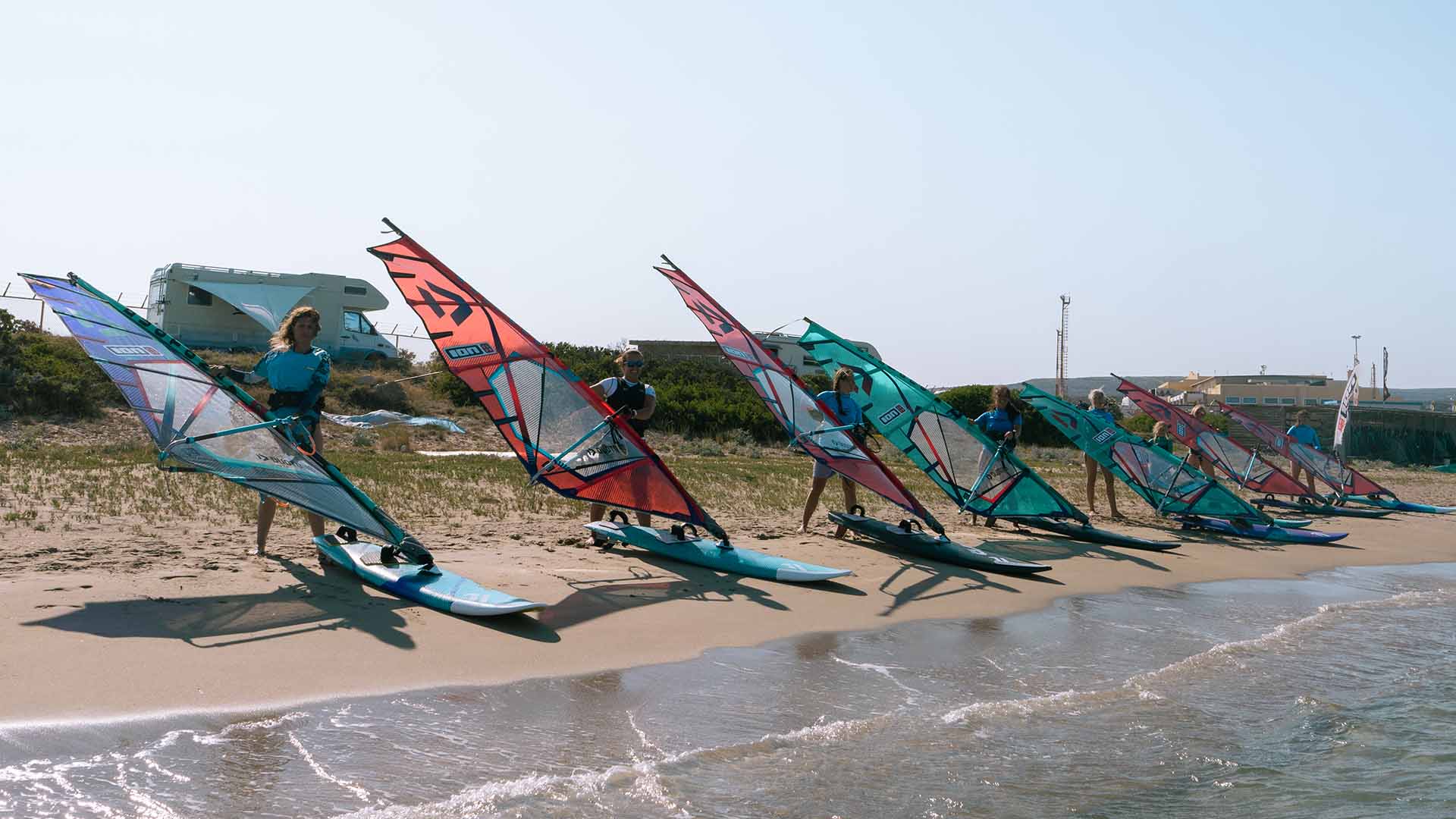

2. What Sail Should You Start With?
The sail is the second crucial element. Its size and type should suit your weight, strength, and the wind conditions at your spot.
What to look for in a beginner sail:
Sail size (in m²):
- Small riders (<60 kg): 2.5–4 m²
- Medium riders (60–75 kg): 4–5.5 m²
- Larger riders (>75 kg): 5.5–6.5 m²
Sail type:
As a beginner, go for a light monofilm or Dacron sail – easier to handle and more resistant to falls.
Mast and boom compatibility:
Make sure the mast and boom are a good fit for your chosen sail.
💡 Tip: Avoid cambered sails – they’re harder to handle. Stick to non-cambered ones for better control.
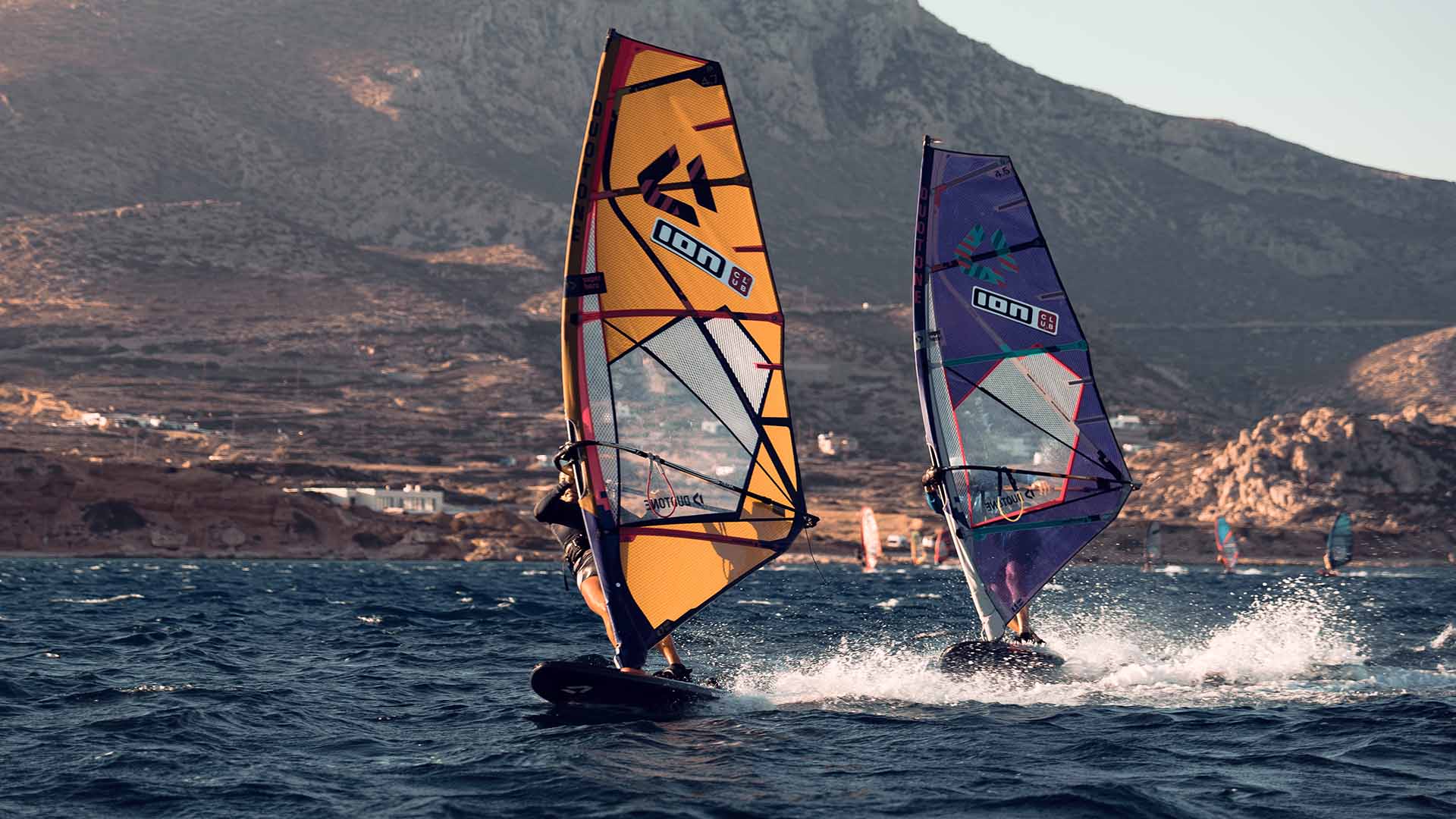
3. Essential Accessories for Getting Started
Harness:
- Seat harness: best for beginners – supportive and stable
- Waist harness: allows more movement – requires a bit more experience
Wetsuit:
- A shorty is fine in summer,
- A full 4/3 mm wetsuit is better in colder water.
Booties:
They improve grip and protect your feet from rocks or cuts.
Buoyancy aid:
Essential for safety, especially during your early sessions.

4. Where to Start Windsurfing?
Choosing the right spot is key to a successful first session. Look for flat water and light to moderate wind.
Our beginner-friendly spots:
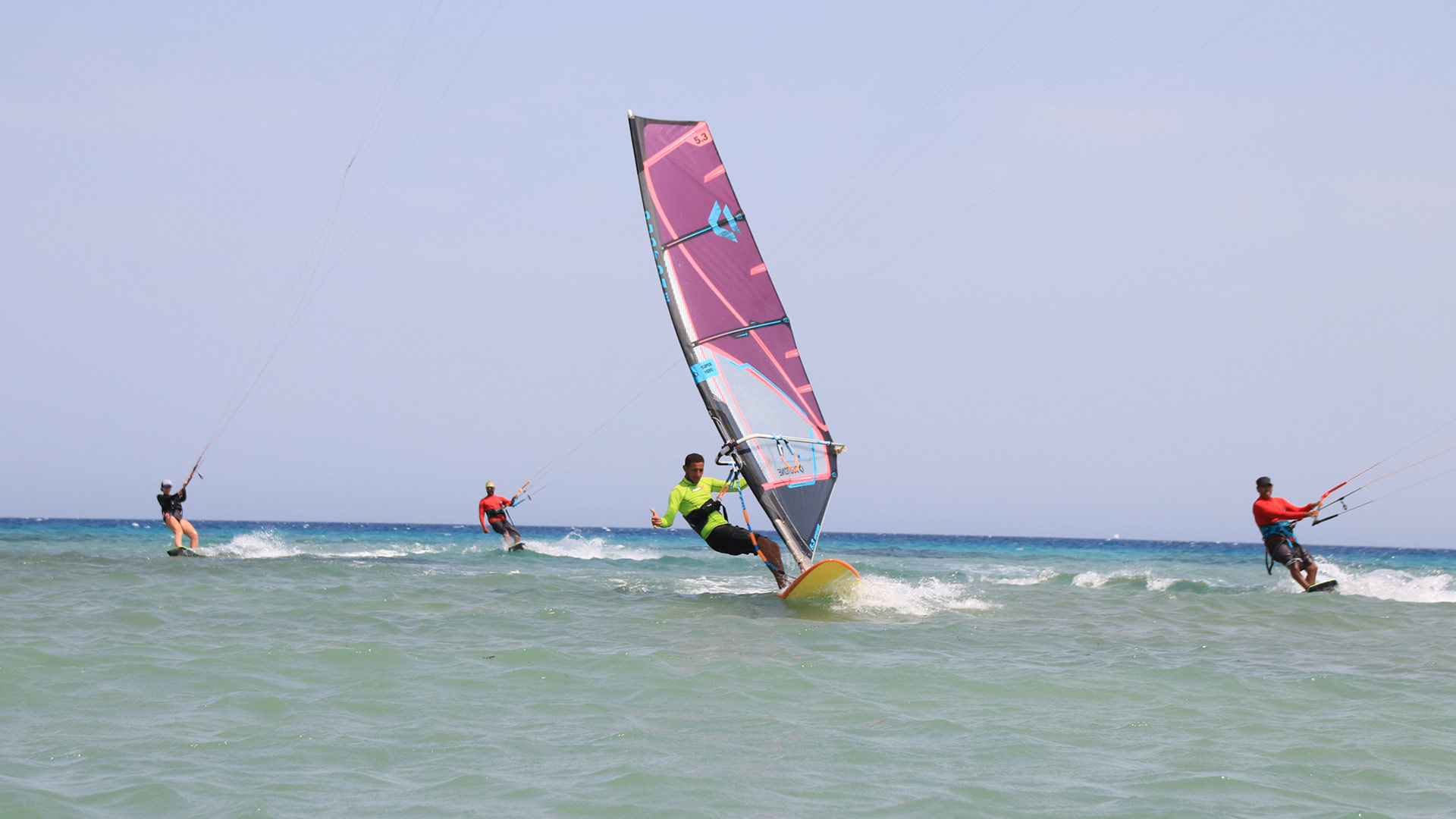

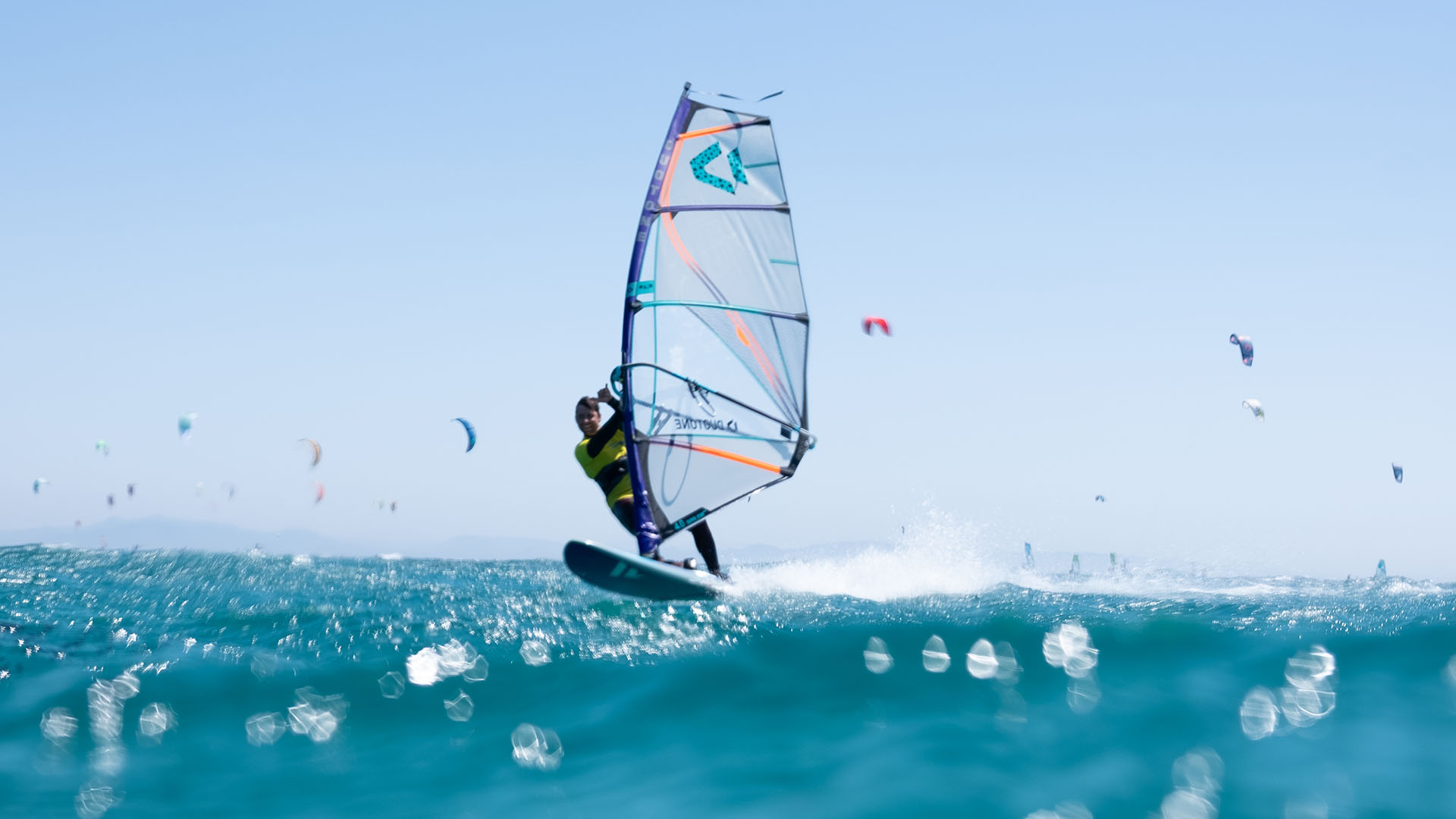
Safaga, Egypt
Flat water and consistent wind – perfect for learning
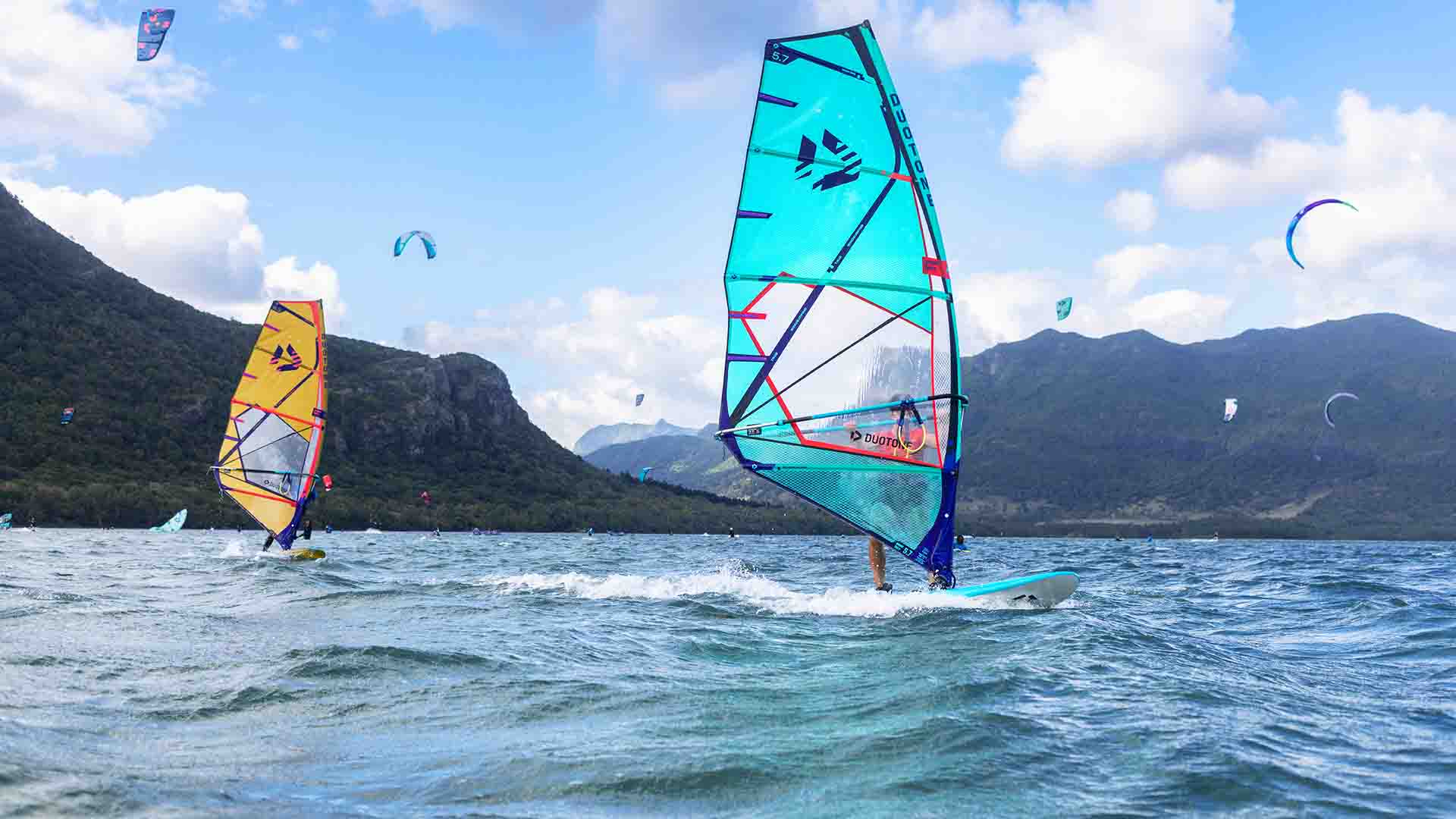
Le Morne, Mauritius
Sheltered lagoon and warm water all year
Golf de Roses, Spain
Great beginner setup with quality schools
Karpathos, Tarifa, and Sal
Also ideal for your first windsurf experience
5. Should You Buy or Rent Your Gear?
If you’re just starting out, renting your gear is often the smarter option. It lets you try different setups before committing to a purchase.
Advantages of renting:
- Avoid costly mistakes
- Use up-to-date, well-maintained equipment
- Get expert advice to adjust your setup
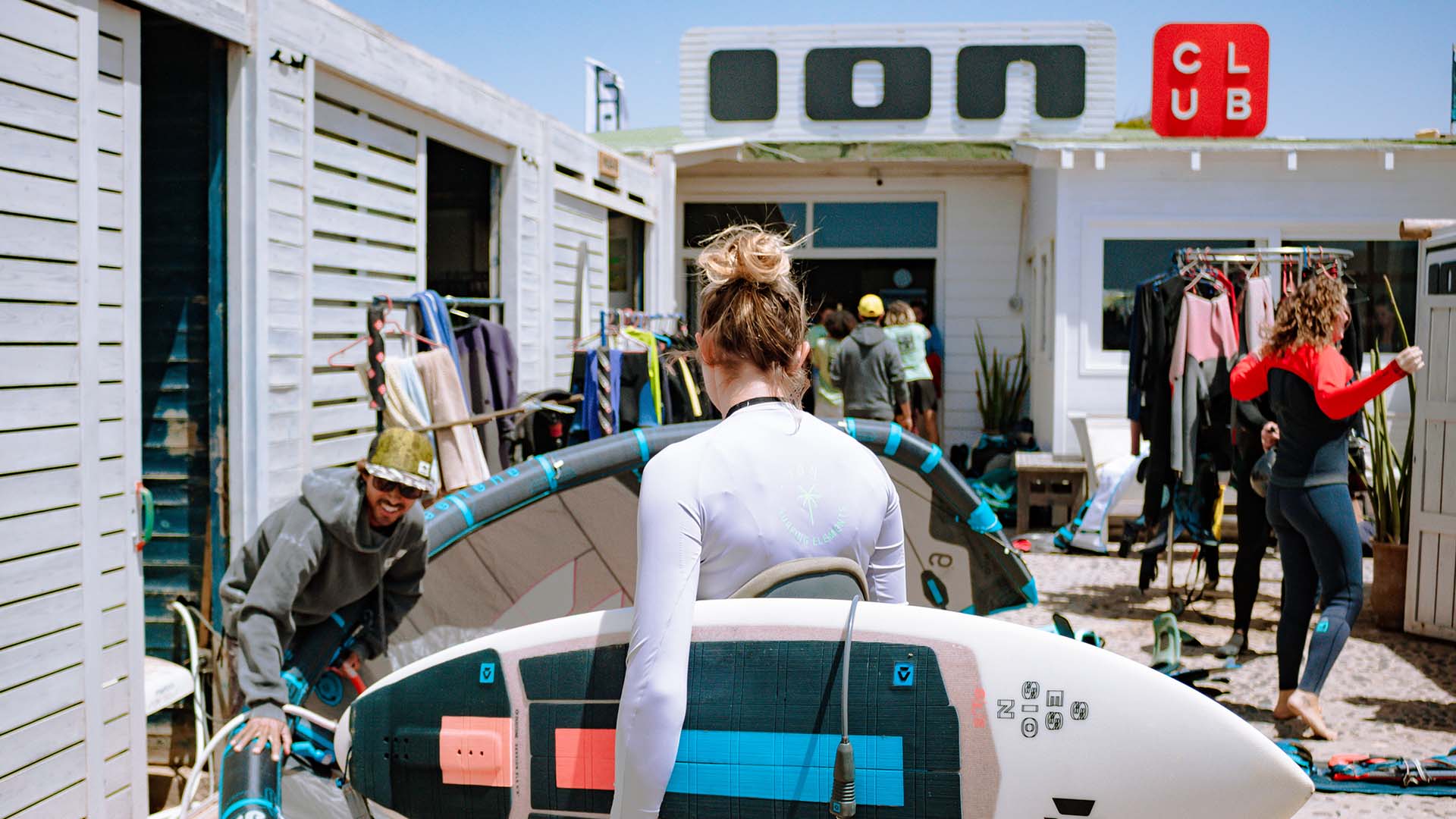
💡 ION CLUB centers offer a wide selection of DUOTONE and ION gear for rental, along with lessons to help you progress safely.
Conclusion: The Right Gear Makes All the Difference
Choosing the right windsurfing equipment is essential for making fast, fun, and safe progress. A stable board, a properly sized sail, and the right accessories will let you enjoy every session with confidence.
Ready to get started?
With ION CLUB’s gear and expert guidance, you’re in great hands for an epic windsurfing journey.

HOW TO PREVENT COMMON INJURIES IN KITESURFING AND WINDSURFING
HOW TO PREVENT COMMON INJURIES IN KITESURFING AND WINDSURFINGKitesurfing and windsurfing are thrilling water sports, but they’re not risk-free. Poor posture, skipping warm-ups, improper movements, or beginner mistakes can quickly lead to muscle, joint, or accidental...
HOW TO IMPROVE YOUR WINDSURFING SPEED: INTERMEDIATE TECHNIQUES
HOW TO IMPROVE YOUR WINDSURFING SPEED: INTERMEDIATE TECHNIQUESYou've already got the basics of windsurfing down, but now you want more speed, more ride, and smoother sessions? Improving your speed means mastering a mix of posture, gear tuning, and board control. The...

PROGRESS IN WINDSURFING WITH LIGHT WIND: THE ION CLUB GUIDE
PROGRESS IN WINDSURFING WITH LIGHT WIND: THE ION CLUB GUIDEWho said windsurfing in light wind is boring? Quite the opposite! These conditions are perfect to refine your maneuvers, work on your transitions, and improve your technique without pressure. It’s also the...